

Plecos are popular aquarium fish, known for their sucker-shaped mouths and their ability to eat algae, some more than others. However, some plecos grow quite large while others require more specialized care. Here is our short guide on how to keep plecos in an aquarium.
Varieties and Availability
Think of a type of pleco and many of you will probably picture a common pleco, a Cactus Pleco, or an Ancistrus, but there are more than 650 different species, classified into nearly 100 different genera, with additional species being discovered and scientifically described on an almost continuous basis. Their size ranges from tiny Otocinclus measuring only a few inches to gigantic Pseudacanthicus that can reach nearly three feet at maturity. Most are brown, gray, or marbled in colour to blend in with the riverbed environments they come from, but some display bright colours and striped or spotted patterns, such as the Zebra L-046 or Golden Nugget L-177, which rank among the most colourful and distinctive tropical fish.
Virtually all plecos come from South America (Colombia, Peru, Brazil, Venezuela, French Guiana, Suriname, etc.), although invasive populations of common plecos have been introduced into Southeast Asia, North America, and other regions. Very few actually survive on an algae-only diet in the wild, with some species having surprisingly carnivorous diets.
Setting Up the Aquarium
Start by knowing the adult size of the plecos you want to keep. Although inexpensive in some cases, common plecos and/or Gibbiceps, which can quickly reach nearly 18 inches in length and produce a considerable amount of waste and pollution, are quite possibly unsuitable for average-sized tropical aquariums. Always choose the largest aquarium you can reasonably accommodate, as it will allow your new residents to swim and grow more easily and healthily, and you may also be able to keep a few more of them. In this regard, we generally recommend 90 gallons or more for keeping several medium-sized plecos, although many of our customers have aquariums ranging from 150 to 300 gallons. However, many smaller plecos can live very well in small or medium-sized aquariums. For example, a Peckoltia Compta L-134, which reaches only about 4 inches, can do very well in a 30-gallon aquarium. The same applies to other small plecos, such as most Hypancistrus, including L-201 or even L-471, which remain relatively small, as does the L-280, which will reach only about 2 inches in length.
All plecos enjoy strong water movement, so use internal and/or external power filters and even circulation pumps (wave makers) to create strong currents in the aquarium. They will appreciate it! Note that their sucker-shaped mouths help them cling to rocks in the wild and in fast-flowing rivers.
Environment
Decorate the aquarium with gravel, sand, smooth rocks (preferably), as well as wood, and arrange the décor to create areas where the fish can retreat and rest. Caves, shelters, or other handmade arrangements can be used to create even more hiding places, as many plecos use small, snug spaces to hide and reproduce in the wild. Provide more caves and shelters than the number of plecos, and they will most likely have very few territorial disputes.
Live plants are not always well suited to pleco aquariums, especially with species that grow large, as they may eat them or uproot them with their stiff tails while moving quickly, or with their large, spiny pectoral fins. Artificial plants can be added instead, and plecos may help keep them free of algae by grazing on them. However, if you absolutely want live plants, choose Anubias or Microsorum, which are more resistant and also appreciate strong water flow. Keep the lighting subdued, as plecos are generally more likely to come out in the dark, with a few exceptions.
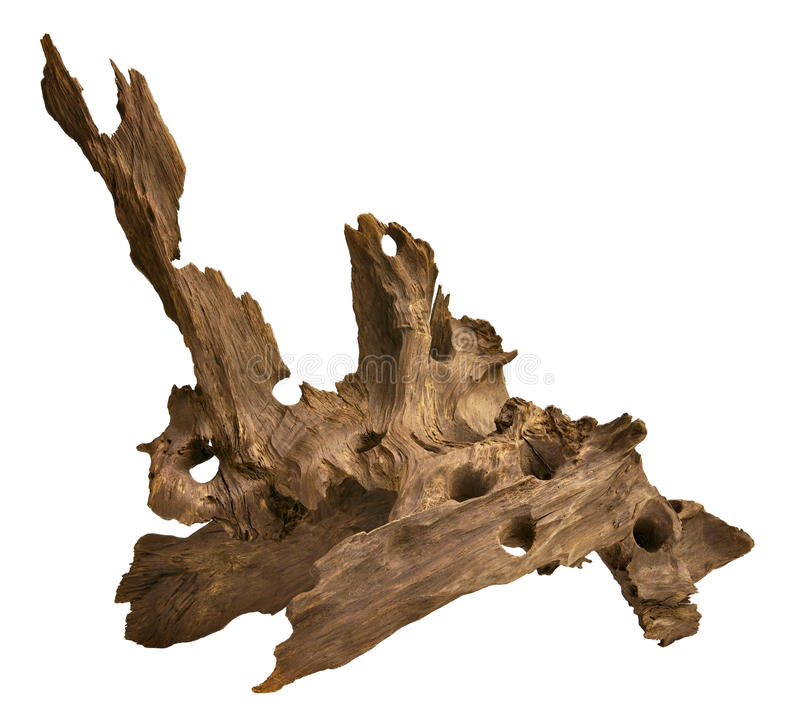
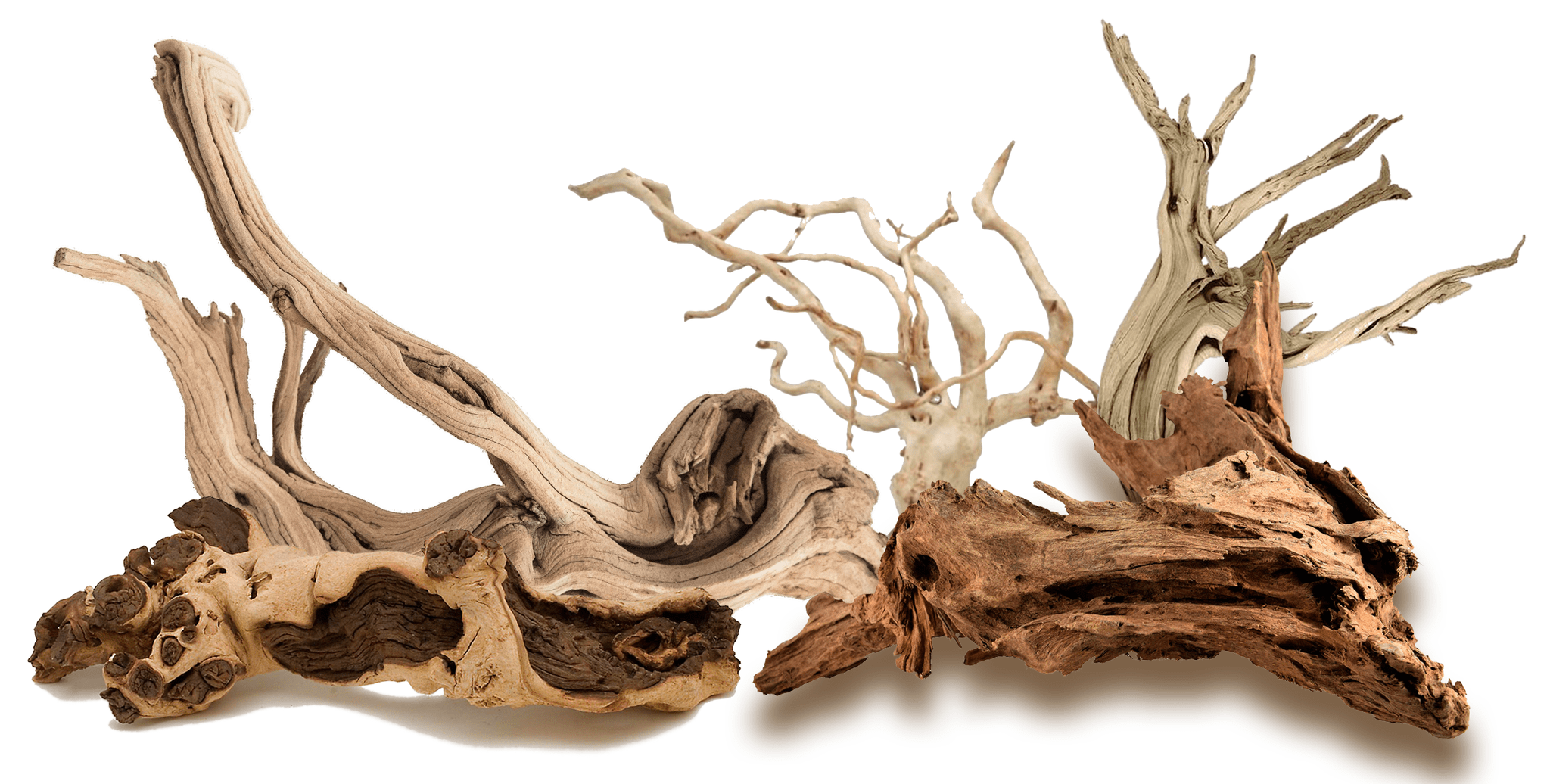
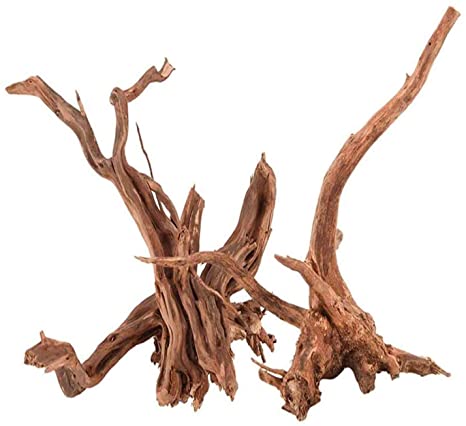
Driftwood is essential in an aquarium housing plecos. It is definitely indispensable, as it also forms part of the diet of many plecos and notably contributes to their digestion.
Water Parameters
As you know, plecos are bottom-dwelling fish and generally live in relatively cool water. Therefore, there is usually no need to maintain very high water temperatures; generally, a temperature of 24 to 26°C is more than sufficient. However, some species naturally inhabit shallow rivers such as the Rio Xingu, which during the summer and fall months (July to November) can reach temperatures of up to 34°C. They can therefore tolerate fluctuations and differences in temperature quite well.
Although neutral water (pH 7) is generally recommended for most plecos, many species, depending on their respective habitats and locations, live in more acidic or more alkaline waters. For example, a pleco such as the Baryancistrus Demantoides L-200, commonly known as the "Green Phantom," can adapt very well to pH levels as high as 8.5, despite its natural habitat generally being closer to neutral pH. Plecos collected in the Mato Grosso region of Brazil can tolerate both lower and higher pH levels depending on the month and season.
The important thing to understand is that water parameters should not change rapidly. If a pleco is gradually and properly acclimated, most species are relatively adaptable.
Food and Treats
Plecos need to be fed just like other fish and should not be neglected by relying solely on leftover food from other fish in the same aquarium, algae, or even fish waste. Contrary to the popular belief that plecos are "cleaner fish" that will eat anything, this is completely false! Feed them a sinking catfish food specifically designed for plecos whenever possible. If your other fish try to steal their food, feed the other fish first, then try dropping the pleco food through a tube to the bottom or placing it inside a hiding place/cave on the substrate that the plecos can easily access, thereby limiting access for other fish. Since most plecos prefer to come out at night, try placing tablets, large pellets, or wafers in the aquarium after the lights have been turned off or dimmed.
Compatible Tankmates
Plecos are often kept as tankmates with almost every type of fish, ranging from Oscars and Severums to Piranhas and even African Cichlids. All plecos prefer freshwater, so they should preferably be combined with other freshwater fish such as tetras, cichlids, Corydoras, etc. You could create a South American biotope by selecting only other South American fish such as Severums, Angelfish, Discus, characins, or even recreate a very specific and well-known pleco habitat such as the rapids of the Rio Iriri or Rio Xingu (Brazil), home to the famous black-and-white striped Zebra L-046 and the Golden Nuggets mentioned earlier in this article, which you can see several times in the video below.
Building Your Collection
Although many customers contact us regularly to add new and often rare plecos to their collections, you can of course do some research online to determine which species appeal to you most. Naturally, since we are a reference in Canada for the importation of fancy, rare, and uncommon plecos, we remain available at all times to assist you with every aspect and every stage of your project.
You can browse our inventory at any time to see what we have to offer, and you can also follow our Facebook page to keep up with our regular imports.
Price Ranges
Every pleco is unique, and its size can influence its price, in addition to its origin. If a pleco comes from an easily accessible area and is available in large quantities, its price will be lower. Naturally, if a pleco is available in only two or three specimens per year, its price will increase accordingly. For example, a pleco endemic to a small river in the middle of the Amazon, accessible only by boat --in order to bypass a guerrilla-controlled area--, and which collectors must then transport by vehicle during a four-day journey, will naturally be more expensive as well.
In general, plecos and Ancistrus can sell for less than $30 and sometimes reach more than $1,000 each, depending on the species, their size, and their origin. This makes them an extremely broad and fascinating group to explore and learn about.
We look forward to assisting you!